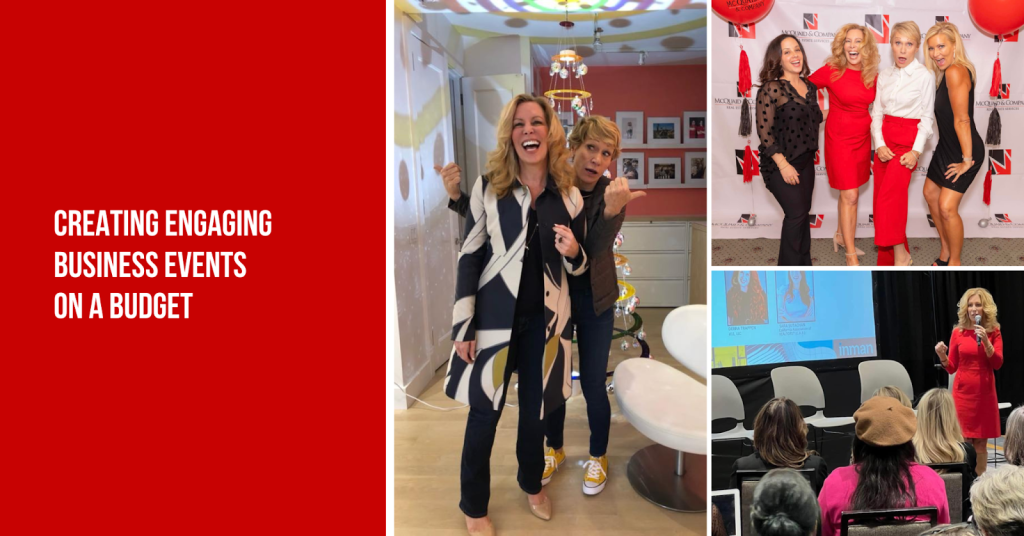
In today’s competitive real estate market, event planning doesn’t require a massive budget to deliver impressive results. Smart business marketing through community engagement creates lasting client relationships and generates referrals without overspending. The secret? Focus on authentic connections over expensive productions.
Real estate agents and brokers can create engaging business events that drive community engagement and business growth without overspending. By focusing on personalized experiences and leveraging local resources, it’s possible to make a memorable impact while keeping your marketing budget in check.
Why Event Planning Matters for Your Real Estate Business
The return on investment for business events extends far beyond the day itself. Events create personal connections that digital marketing simply can’t replicate. They strengthen relationships with current clients and prospects, boost your reputation as a community expert, and encourage word-of-mouth referrals.
According to Bizzabo’s Event Marketing 2024 report, 80% of marketers believe in-person events are critical to their company’s success. Regular, well-executed events keep your brand top of mind and can generate warm leads, especially when paired with effective follow-up.
For real estate professionals building their brand through authentic community engagement, like those who embrace [company name]’s relationship-first approach, events become a natural extension of your commitment to serving your local market.
Cost-Effective Marketing Through Smart Event Planning Strategies
Piggyback on Community Events
Rather than creating something from scratch, partner with existing local charity events, festivals, or farmers markets. Help promote these gatherings, volunteer, or arrange a small booth. This strategy raises your profile without requiring you to cover all organizational costs or take on the full planning burden.
Host at Public Spaces
Parks, community centers, and local businesses often cost little or nothing to use. Outdoor picnics or casual coffee meetups are affordable and create a welcoming, pressure-free atmosphere where genuine conversations can happen. Many municipalities offer free permits for community gatherings, making public parks an ideal venue.
DIY Decor and Activities
Skip the expensive event planner and create your own memorable touches. Use simple, tasteful decorations and plan interactive activities such as real estate trivia games, design workshops, or home improvement demonstrations. Activities encourage networking naturally and leave guests with practical takeaways they’ll remember long after the event ends.
Feature Local Talent
Invite local musicians or artists seeking exposure to provide affordable or even complimentary entertainment. Use neighborhood vendors for food and supplies. This approach often builds goodwill within your community and minimizes expenses while supporting the local economy you serve.
Seasonal and Themed Events
Align events with holidays or trending local topics to keep them fresh and relevant. Seasonal celebrations or educational seminars tied to current market conditions naturally draw bigger crowds because they tap into what people are already thinking about.
Virtual Events
Don’t overlook the power of online gatherings. Webinars, Q&A sessions, or live virtual home tours are virtually cost-free and expand your reach to clients who can’t attend in person. According to a report by Grand View Research, the virtual events market is expected to reach $657.64 billion by 2030, demonstrating the staying power of this format.
Amplifying Your Business Marketing Through Event Promotion
The success of your event doesn’t stop when guests arrive. It begins with how you invite them and extends through how you follow up.
Digital Invitations
Use email and social media platforms like Facebook and LinkedIn to share invitations and updates. These channels allow you to reach a wide audience at essentially no cost while creating shareable content that extends your reach organically.
Encourage “Plus Ones”
Ask attendees to bring a friend or family member. This simple request expands your network organically and fills your event with people who are already pre-qualified through personal referrals.
Repurpose Content
Capture photos and videos during your events for follow-up emails, future social posts, and client appreciation recaps. One event can generate weeks of marketing content when you’re strategic about documentation. This aligns perfectly with [company name]’s philosophy of creating meaningful content that showcases your authentic involvement in the community.
Maximizing Community Engagement for Long-Term Results
Support Local Causes
Build deeper ties by incorporating a charitable component into your events. Host a fundraiser, organize a volunteer opportunity, or collect donations for a local cause. This not only encourages participation but positions you as someone who genuinely cares about the community you serve.
Consistent Scheduling
Hold regular events on a quarterly or seasonal basis to keep your brand visible and build anticipation in your community. Consistency transforms one-off attendees into a loyal community that looks forward to your gatherings.
Strategic Follow-Up
After every event, send personalized thank-you notes within 48 hours. Conduct quick surveys for feedback to improve future events, and invite guests to your next gathering or offer a targeted educational session on topics they expressed interest in during conversations.
Proven Low-Budget Event Ideas That Deliver Results
Picnic in the Park
Reserve a public park space, provide simple snacks or organize a potluck, set up lawn games, and make it family and pet-friendly. Cost approach: DIY and potluck style contributions.
Coffee Meetups
Partner with a local coffee shop and offer to cover free drinks for the first 20 guests. This creates an intimate setting perfect for deeper conversations. Cost approach: Small fixed investment with big relationship returns.
DIY Workshops
Host hands-on demonstrations teaching skills like plant care, holiday crafts, or home staging tips. Partner with local vendors who can provide materials in exchange for exposure. Cost approach: Vendor partnerships keep costs minimal.
Charity Drive or Sponsorship
Collect food, school supplies, or other needed items, or sponsor an existing non-profit event in your area. Cost approach: Promotional investment that builds community goodwill.
Block Party or Open House Tour
Feature local musicians, coordinate with food trucks, organize kids’ activities, and share vendor costs with other local businesses. Cost approach: Shared expenses and collaborative planning.
Seasonal Drop-Bys
Deliver small gifts or goodies during holidays to past clients or distribute them at local community events. Cost approach: Bulk purchasing keeps per-unit costs low.
Local Talent Showcase
Highlight a local artist, musician, or craftsperson at your office or a community venue. Artists often appreciate the exposure, making this mutually beneficial. Cost approach: Exposure bartering.
Virtual Value Sessions
Host webinars on real estate investment strategies, local market trends, or Q&A sessions via Zoom or other free platforms. Cost approach: Zero venue costs with unlimited attendance potential.
Your Action Plan: Start Your Next Event Today
Ready to create your first budget-friendly event? Here’s your step-by-step action plan:
Immediate Actions (This Week):
- Choose one event idea from the list above that fits your market and comfort level
- Identify a free or low-cost venue in your community (park, coffee shop, community center)
- Set a date for your event 4-6 weeks from now to allow adequate planning time
- Create a simple budget outlining your maximum spend per attendee
Planning Phase (Weeks 2-3):
- Design a digital invitation using free tools like Canva
- Reach out to local vendors or talent who might partner with you for mutual promotion
- Plan 2-3 simple activities or talking points that will create value for attendees
- Set up your event tracking system to capture RSVPs and follow-up information
Promotion Phase (Weeks 3-4):
- Share invitations via email, social media, and personal outreach
- Encourage current clients to bring a friend or colleague
- Create buzz by posting behind-the-scenes planning content
- Confirm attendance 48 hours before the event
Event Day:
- Arrive early to set up and greet early arrivals personally
- Capture photos and short video clips for future content
- Collect contact information from new attendees
- Focus on making genuine connections rather than selling
Follow-Up (Within 48 Hours):
- Send personalized thank-you messages to all attendees
- Share event highlights on social media with photo recaps
- Reach out individually to new connections you made
- Schedule your next event while momentum is high
The principles behind cost-effective event planning mirror what [company name] teaches: authentic engagement, creative problem-solving, and building a business rooted in real relationships rather than expensive gimmicks.
The Bottom Line on Budget-Friendly Event Marketing
Creating memorable, effective business events isn’t about how much you spend. It’s about how genuinely you connect with your community. By prioritizing relationships over extravagance, agents and brokers can achieve powerful business and marketing outcomes on any budget.
When you focus on providing value and creating genuine connections, your events become natural extensions of your brand that clients remember and appreciate. Start small, stay consistent, and watch as your community engagement translates into loyal client relationships and steady business growth.
Your next successful event doesn’t require a big budget. It just requires creativity, commitment, and a genuine desire to serve your community well.